Russell & Bromley Digital Signage and LED Rollout
A single summary sentence. Include the core service type (e.g. digital signage installation, LED display installation, in-store audio installation), the brand name, and a scale or scope indicator where available (e.g. number of stores, locations, or phases). Avoid generic phrases like “cutting-edge” or “state of the art.” For example:
A nationwide digital signage rollout across 40+ UK locations, from proof of concept to permanent large-format LED installation.
The Project (or The Brief)(h2)
Two to three paragraphs describing the context: who the client is, what they needed, and why it mattered. Name the brand naturally and early. Where relevant, reference the retail sector or environment (e.g. luxury retail, fashion, lifestyle) and the specific trigger for the project, such as a store refit, new opening, or brand evolution.
For example:
Russell & Bromley is one of the UK’s most established luxury footwear and accessories retailers, known for its craftsmanship, timeless style, and prime high-street presence. With a heritage dating back over a century, the brand continues to evolve its in-store experience to reflect its premium positioning and meet the expectations of today’s digitally minded shoppers.
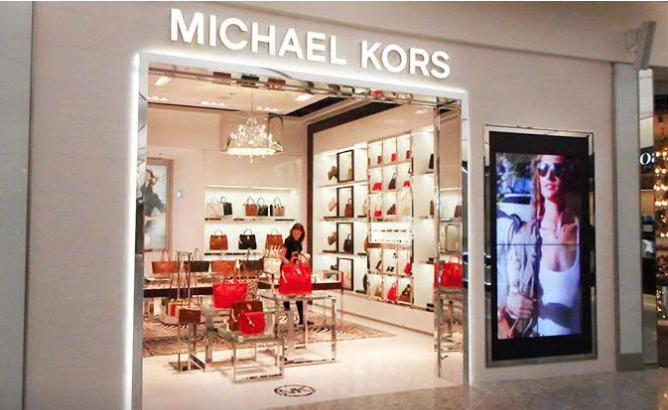
VIVID was engaged to help Russell & Bromley explore the role of digital signage within its retail environments. Beginning with a single proof of concept for a high-brightness in-window display, following successful validation of the technology and content management system, this pilot evolved into a nationwide rollout.
What We Delivered (h2)
Open with a short overview paragraph that names the distinct delivery elements covered in the project. Use the correct service terminology: digital signage installation, LED display installation, in-store audio installation, content management, multi-site rollout. Avoid vague phrases like “AV solutions” or “technology integration” at this level.
It should be followed by more specific sections where we describe the actual work, broken into logical sub-sections using H3s for each distinct element. This will, of course vary in length and details for each project. Each H3 should have a paragraph or two plus an image alongside it. Note: This is the section that earns Google’s trust because it has genuine depth and specificity.
For example:
The Russell & Bromley installation programme covers more than 40 UK stores and encompasses two distinct display environments: high-brightness in-window screens facing onto the high street, and large-format LED walls positioned at key visual zones within the store interior. Both are managed centrally via a single content platform, giving the brand consistent control across the entire estate.
In-Window Digital Displays (h3)
Name the hardware brands used (e.g. Dynascan, Samsung, Absen) and describe the specific display type (e.g. high-brightness, dual-sided, fine-pitch LED). Reference screen sizes or pixel pitches where known. Describe the specifics of the installation environment, i.e. window-facing, high-dwell zone, or back-of-store for credibility and search relevance.
For example:
The rollout began with a single proof of concept, a high-brightness in-window display installed at one location to validate both the technology and the content management workflow before any wider commitment was made. Following successful testing, the programme expanded to cover more than 40 UK stores.
Each window installation uses a combination of single and dual-sided high-brightness displays, selected specifically for their ability to perform in natural daylight conditions without losing image clarity or colour accuracy. Dynascan and Samsung hardware forms the backbone of the window display estate, with screen sizes ranging from 46″ to 55″ depending on the window configuration of each individual store.
In-Store LED Walls (h3)
For example:
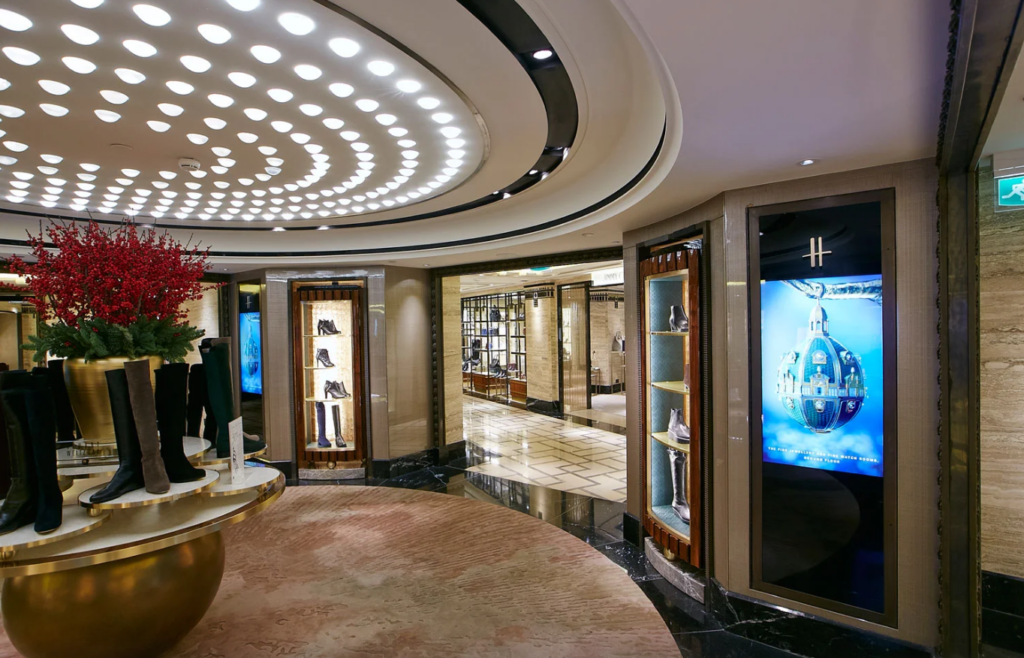
As the rollout matured, the scope expanded beyond the window to the store interior. More than 10 Russell & Bromley locations now feature large-format LED wall installations, positioned at key visual anchors within the store: cash desks, back-of-store walls and other high-dwell zones where a static display or traditional lightbox would previously have been used.
The LED walls are built around Absen fine-pitch panels, with pixel pitches ranging from 1.2mm to 1.9mm depending on the viewing distances and ambient lighting conditions of each location. At this resolution, campaign imagery and video content is rendered with the level of detail and colour fidelity that a luxury footwear brand demands, holding up under close inspection in a way that lower-resolution display technology cannot.
Content Management (h3)
Name the CMS platform used (e.g. Signagelive) and describe specifics of what it provides operationally i.e. centralised scheduling, remote updates, multi-site control.
For example:
All display content across the Russell & Bromley estate, both in-window screens and in-store LED walls, is managed centrally via Signagelive. The platform gives Russell & Bromley’s team a single point of control for scheduling and updating campaign visuals across every location, whether that is a high-brightness window display in a regional store or a large-format LED wall in a flagship.
This means a new campaign can be pushed across 40+ stores simultaneously, with no requirement for on-site intervention at any individual location. It also means the window and in-store surfaces can be coordinated to carry consistent messaging, or programmed independently where the campaign strategy requires it.
Technology partners (h2)
value delivered (h2)
This section’s job is to give a prospective client a clear sense of what the project actually achieved for the brand (rather than technical details), and what it says about Vivid’s capability as an installation partner. Write this section in prose paragraphs rather than bullet points. The goal is not to list features again but to articulate outcomes, i.e. what can the client do now that they couldn’t before, what does the scale of the project demonstrate, and what would a procurement buyer take away from it. Also, if you have a testimonial from the client, add it here as a quote before or after the prose. A direct quote at this stage of the page does more for credibility than anything you can write yourself. Even a two-sentence comment from the project contact is enough. Where possible, reference the number of locations, stores or phases involved, as scale indicators are among the strongest proof points for procurement buyers evaluating a multi-site installation partner.
For example:
The Russell & Bromley programme is a demonstration of what a phased, well-managed retail AV rollout looks like from start to finish. Beginning with a single in-window proof of concept and expanding to more than 40 UK stores, the project gave the brand a consistent, scalable digital presence across its entire estate without the risk of committing to unproven technology or an untested workflow at the outset.
For Russell & Bromley, the practical result is a display estate that performs to the same standard in every location. Campaign content is updated centrally via Signagelive, window displays hold up in full daylight conditions using Dynascan and Samsung high-brightness hardware, and large-format Absen LED walls at flagship sites have replaced fixed lightboxes with fully flexible surfaces that change with each campaign cycle. The infrastructure is designed to accommodate new store openings and refurbishments as they arise, rather than requiring a new specification each time.
For Vivid, this project reflects the kind of partnership the business is built for: working with a brand from the earliest exploratory stage through to a fully operational, nationwide digital estate.
Ready to create unforgettable in-store experiences? (h2)
Let’s make your vision a reality with the right technology, expertly delivered.